Can Dogs Really Sense Our Emotions? 🐾❤️
The Amazing Bond Between Dogs and Their Humans
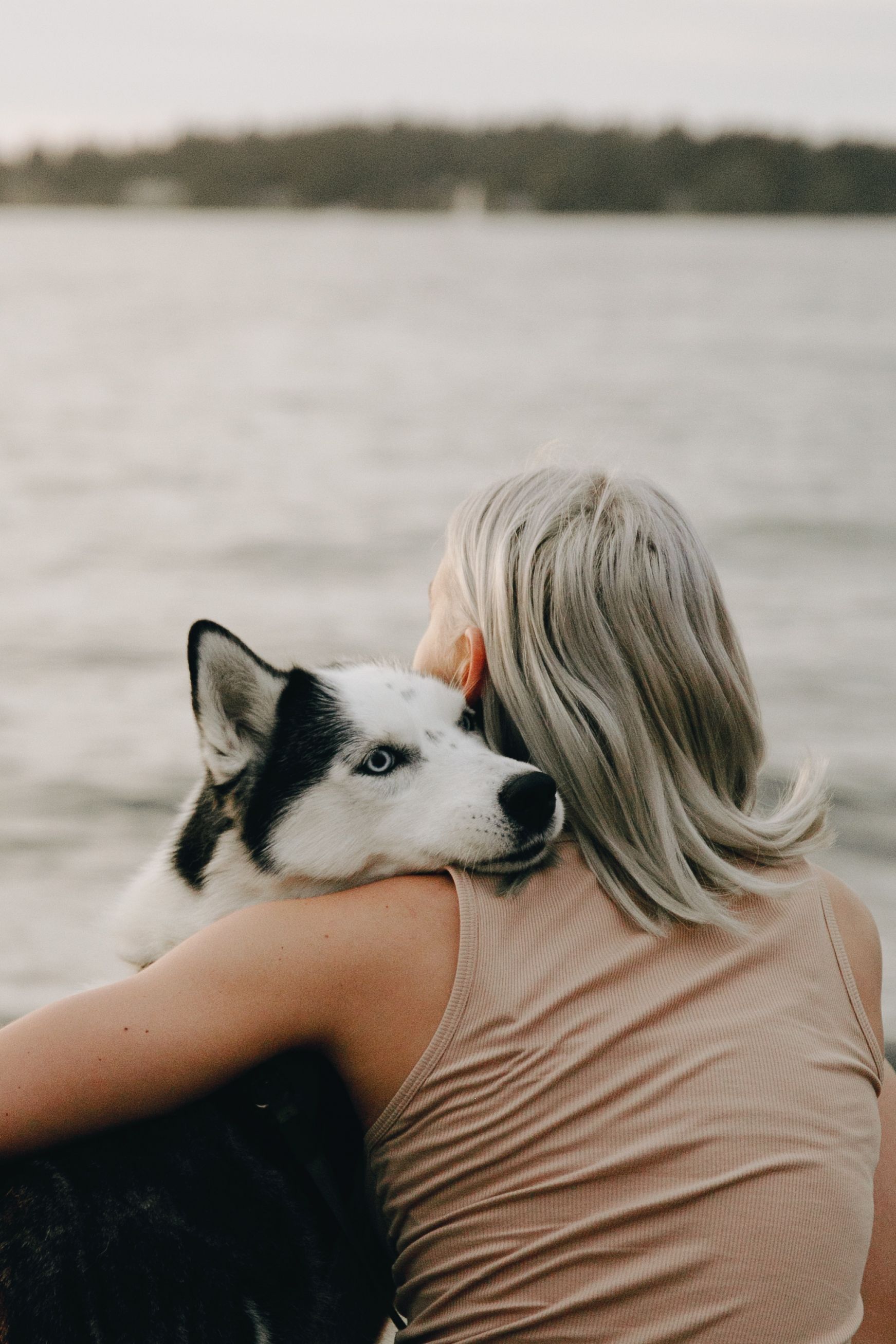
Have you ever had a difficult day and noticed your dog suddenly staying a little closer? Maybe they rested their head on your lap, followed you from room to room, or simply curled up beside you when you needed comfort.
Or perhaps you've been excited about something, and your dog seemed just as happy as you were, wagging their tail and bouncing around as though they were celebrating right along with you.
Sometimes it feels like our dogs know exactly what we're going through without us ever saying a word.
But can dogs really sense our emotions?
Science suggests they can, and the connection between dogs and their humans is even more fascinating than you might think.
🐾 Dogs Are Experts at Reading Us
Dogs spend much of their lives watching and learning about the people they love. Over time, they become incredibly familiar with our habits, routines, and behaviors.
They notice subtle changes that we might not even realize we're making.
Here are a few ways dogs pick up on our emotions:
- Facial expressions: Research shows that dogs can distinguish between certain human facial expressions, including happy and angry faces.
- Tone of voice: Dogs pay attention to how we speak, not just the words we use. A cheerful voice can create excitement, while an angry or tense voice may make them cautious.
- Body language: Our posture, movements, and gestures can communicate a great deal to our pets.
- Our scent: Believe it or not, dogs may even detect changes in our body odor when we're experiencing stress.
With their extraordinary sense of smell and ability to observe us, dogs have several ways of recognizing when something isn't quite right.
They may not understand exactly why we're feeling sad, anxious, or excited, but they can often tell that our emotional state has changed.
❤️ Why Do Dogs Comfort Us When We're Sad?
One of the most touching things about dogs is how some seem to instinctively offer comfort when we're having a difficult time.
Maybe you've cried and noticed your dog approaching you, gently nudging your hand or resting their head against you.
Some dogs become unusually affectionate, while others quietly settle nearby, almost as if they're keeping watch.
Researchers have found that dogs can respond differently when people display signs of distress.
In some studies, dogs have approached crying people more readily than people who were simply talking or humming.
Does this mean dogs understand sadness exactly as humans do? Not necessarily. Scientists are still studying whether these responses reflect empathy, concern, curiosity, learned behavior, or a combination of factors.
But for those of us who have experienced the comfort of a loving dog during a difficult moment, that quiet companionship can mean everything.
Sometimes just having them beside us makes a hard day feel a little easier.
🐶 Can Dogs Actually Smell Our Emotions?
This might be one of the most surprising things about our four-legged friends!
We already know dogs have an incredible sense of smell. They use their noses to explore the world, recognize familiar people, and gather information about their surroundings.
But research suggests their noses may also help them recognize changes associated with human emotions.
When we're stressed, our bodies undergo physical changes that can affect the chemical compounds released through our sweat and breath.
In one study, trained dogs were able to distinguish samples collected from people before and after they experienced a stressful task.
That means your dog may be able to detect physical signs of stress even when you're trying not to show how you're feeling.
It's another fascinating example of just how differently dogs experience the world around them.
🐾 Do Our Emotions Affect Our Dogs, Too?
Absolutely! The emotional connection between humans and dogs can work both ways.
Think about how your dog reacts when you come home after being away.
Your excitement, happy voice, and affectionate greeting may encourage your dog to become excited, too.
On the other hand, when you're feeling tense or overwhelmed, your dog may notice changes in your behavior.
Some dogs become more attentive, while others may appear nervous or restless.
Research suggests that dogs can sometimes be influenced by human emotional cues and stress.
Of course, every dog is different. Some are naturally sensitive, while others are more independent or less responsive to changes in our moods.
This is why patience, consistency, and a calm approach are so important when interacting with our pets.
Our behavior can influence how comfortable and secure they feel.
❤️ Why Is the Bond Between Dogs and Humans So Special?
Dogs have lived alongside humans for thousands of years, developing a remarkable ability to communicate and connect with us.
Unlike many other animals, dogs frequently look to humans for guidance, reassurance, and companionship.
They learn our routines, recognize familiar voices, and often develop strong attachments to the people who care for them.
And the benefits of this relationship can go both ways.
Spending time with a beloved dog can provide companionship, comfort, and opportunities for relaxation. Research has also found that positive interactions between dogs and humans can sometimes be associated with changes in hormones involved in bonding, including oxytocin.
But perhaps the most beautiful part of this connection is how simple it can be.
Dogs don't care whether we've had a productive day, whether our house is spotless, or whether everything in our lives is going according to plan.
They're often perfectly content just being near us.
A familiar voice, a gentle touch, a favorite walk, or a quiet evening together can mean the world to them.
And in return, they give us a kind of companionship that's difficult to put into words.
🐕 Every Dog Shows Love Differently
Just like people, dogs have their own unique personalities.
Some are affectionate cuddle bugs who want to be beside us every moment of the day.
Others prefer to show their attachment in quieter ways.
Your dog might bring you their favorite toy, follow you around the house, greet you enthusiastically at the door, or simply choose to rest in the same room.
Not every dog enjoys constant physical affection, and that's perfectly normal.
Learning to recognize and respect your dog's individual personality is one of the best ways to strengthen your bond.
Pay attention to what makes them happy, what helps them relax, and how they communicate when they're uncomfortable.
The more we understand their feelings, the better we can care for them.
🐾 The Importance of Emotional Comfort in Pet Care
When we think about caring for our pets, we naturally focus on their physical needs.
Fresh water, nutritious food, exercise, and a safe environment are all essential.
But emotional well-being matters just as much.
Dogs thrive when they feel secure, understood, and comfortable with the people around them.
For some pets, that means lots of playtime and affection. For others, especially shy or senior dogs, it may mean a quieter approach, a familiar routine, and a little extra patience.
When someone new enters their world, taking the time to understand their personality can make a tremendous difference.
At Max and Friends Pet Care, I believe every pet deserves more than simply having their basic needs met.
They deserve kindness, patience, companionship, and someone who pays attention to the little things that make them unique.
Whether it's an energetic dog who can't wait to play or a shy pup who needs a little reassurance, my goal is always to help them feel safe, comfortable, and loved.
❤️ Sometimes Love Doesn't Need Words
There's something truly special about the relationship we share with our dogs.
They can't tell us they love us in words, but they have countless ways of showing their attachment.
A wagging tail when we walk through the door.
A gentle nudge when they want our attention.
A familiar face waiting for us at the window.
Or that quiet moment when they curl up beside us after a long, exhausting day.
Science continues to uncover fascinating details about how dogs recognize and respond to human emotions.
But anyone who has ever loved a dog knows that some of the most meaningful moments are also the simplest.
Sometimes the greatest comfort comes from a furry friend who doesn't need us to explain a thing. 🐾❤️
Has your dog ever seemed to know exactly when you needed a little extra love? I'd love to hear your story!
Max and Friends Pet Care
Loving care for your furry family members in Murfreesboro, Tennessee, and surrounding communities.
Wondering why a Pet Sitter is valuable to each family? Check out our blogs and enjoy learning about us and why we love what we do.



Ready to Book a Pet Sitter?
At Max and Friends Pet Care, I'm dedicated to providing the best care for your pet. Let me ensure your furry friend is happy and well-cared for while you’re away. Contact us today to learn more about our services!