Helping Shy Pets Feel Comfortable With a New Sitter
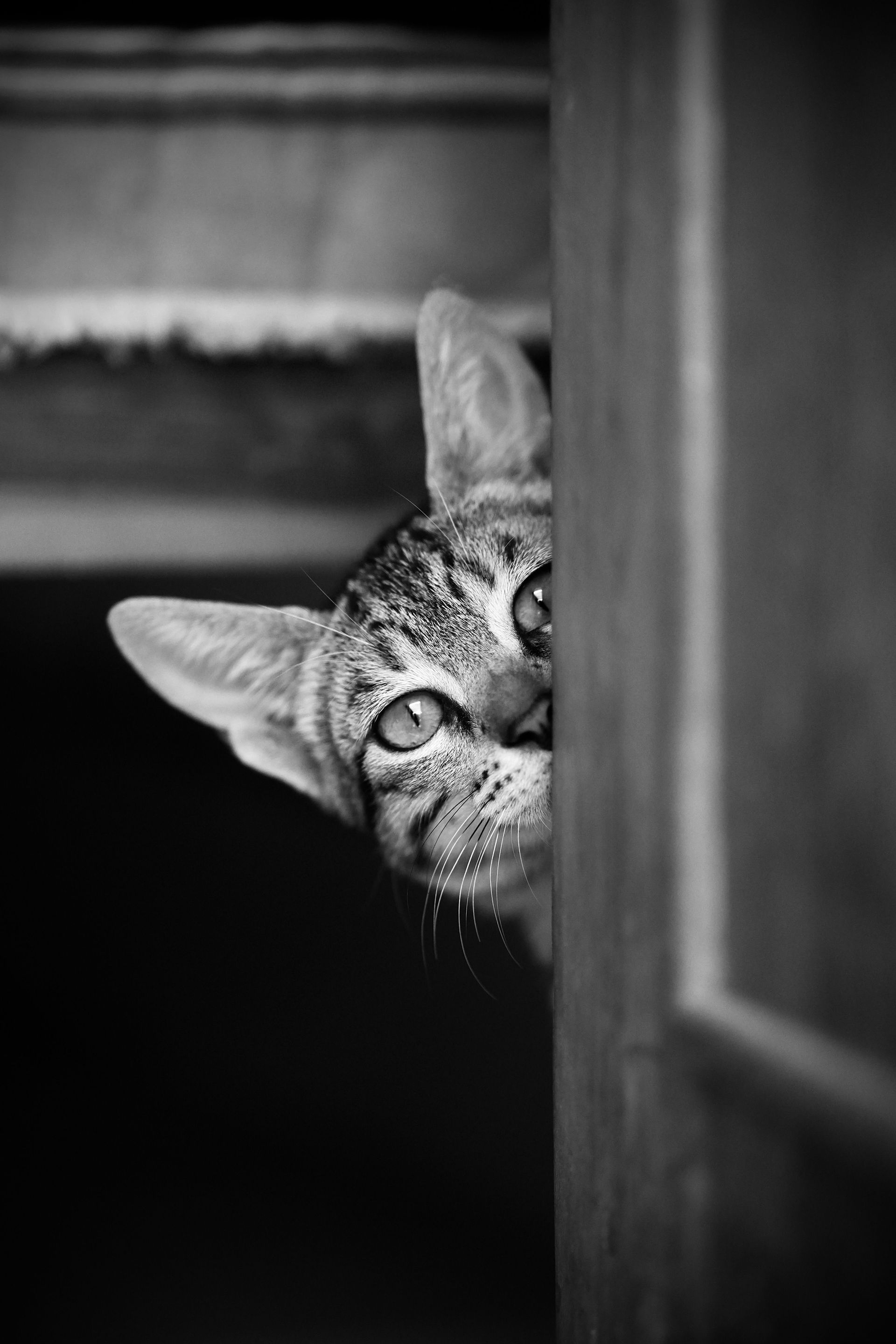
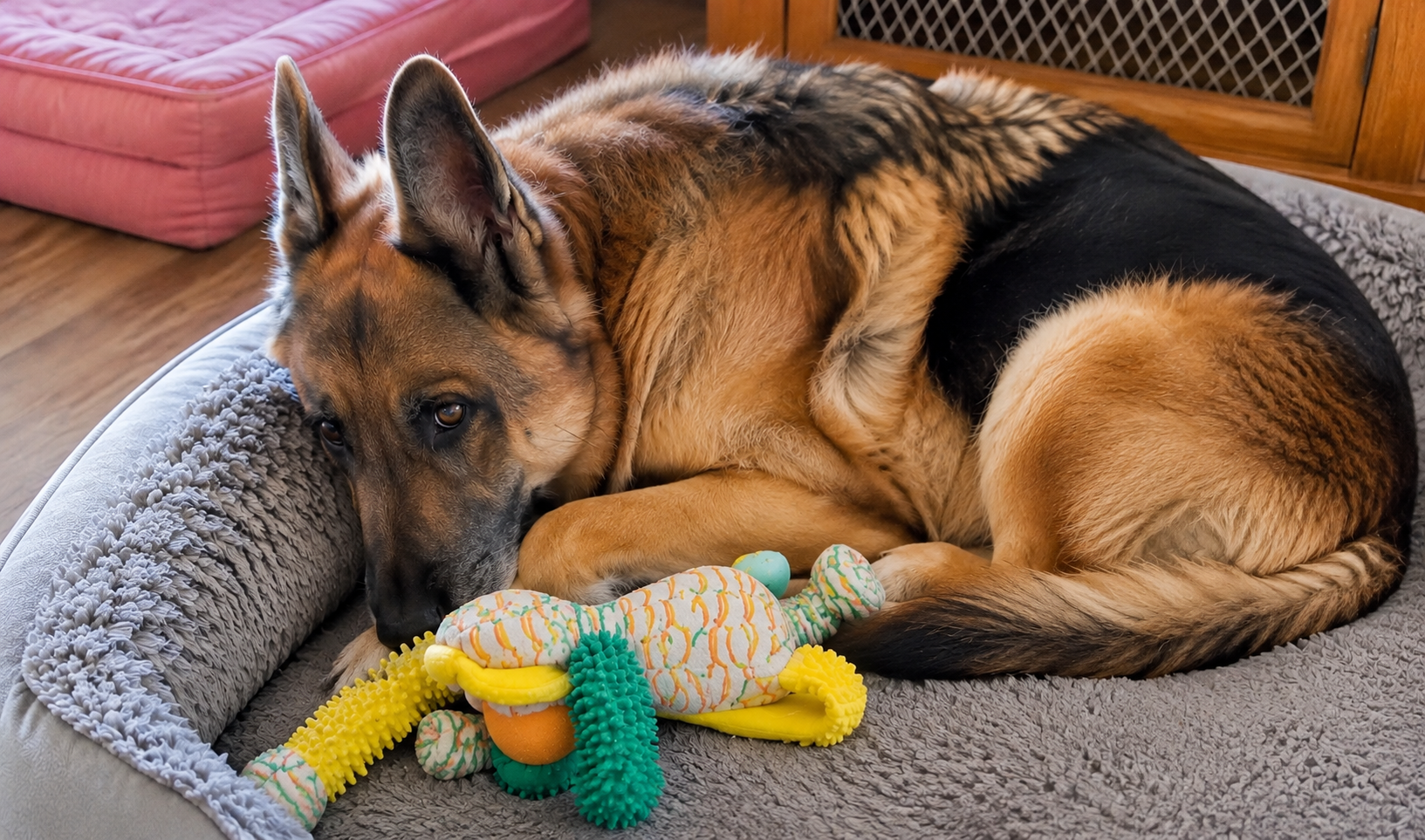
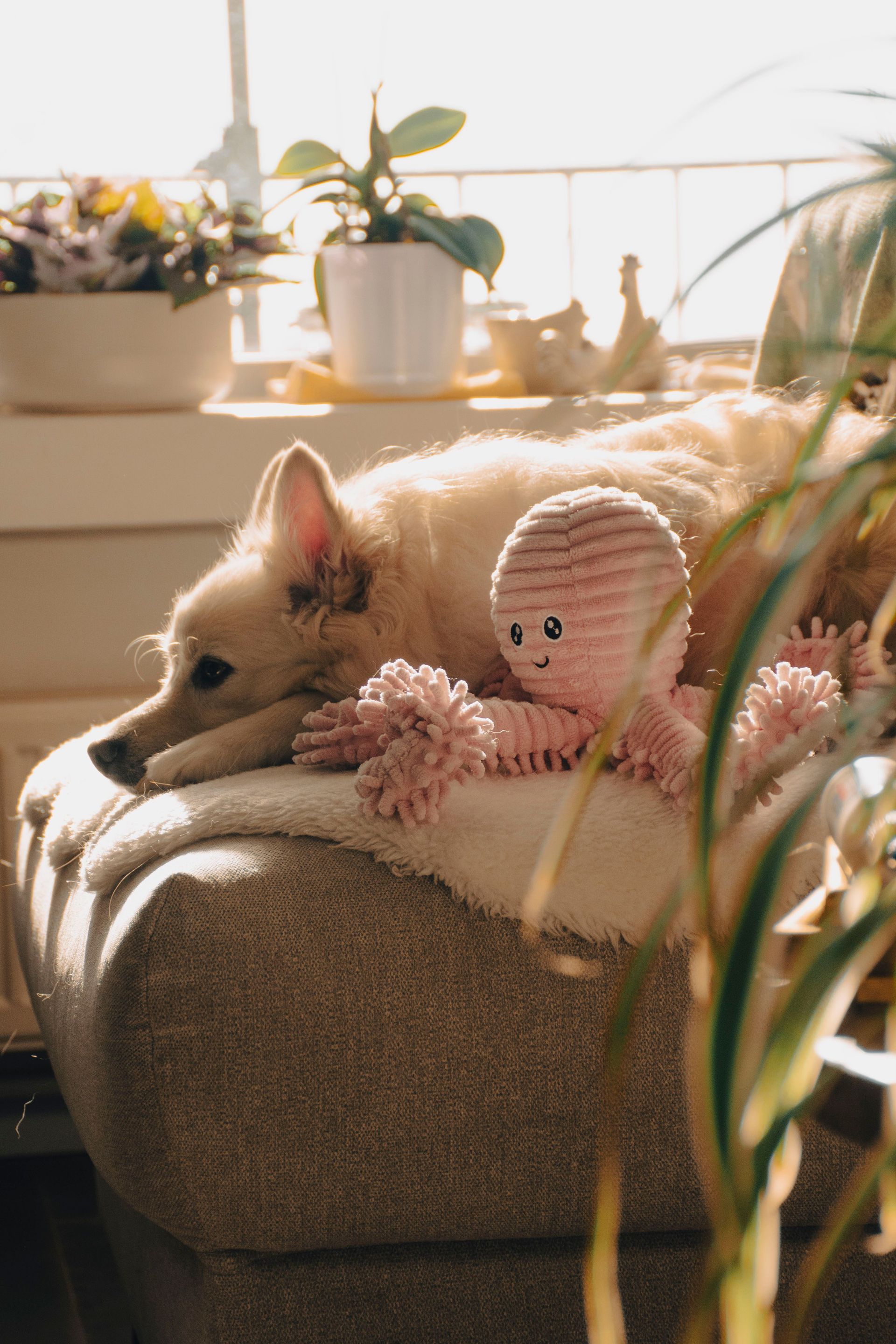
Some pets are ready to make a new friend the moment someone walks through the door. Others need time to watch, sniff, and decide whether they feel comfortable. If your dog or cat is shy around new people, leaving them with a pet sitter can feel especially hard.


The first thing I want you to know is that your pet doesn’t have to be outgoing to be cared for well. A quiet pet deserves the same attention and kindness as one who can’t wait to say hello. My job is to learn what helps your pet feel safe and let trust build at their pace.


Getting to know your pet before you leave


It helps to tell me what your pet is like when they meet someone new. Do they usually hide at first? Are they more comfortable if a visitor ignores them for a little while? Is there a favorite treat or toy that helps them relax? You know your pet best, and those details make a difference.


I also like to know about their usual routine: when they eat, where they like to rest, and how they let you know they need to go outside. Familiar routines can be comforting when their person is away.


Letting your pet set the pace


A shy pet may need space during the first visit. I won’t expect them to come over for pets or play right away. Sometimes the best start is to speak softly, move calmly, take care of their food and water, and let them observe me from a spot where they feel secure.


If they choose to come closer, I’ll let them decide how much interaction they want. If they prefer to keep their distance, that’s okay too. We can still have a successful visit without forcing a greeting.


Small steps are worth celebrating


Trust may look different for every pet. One dog might come over for a sniff after a few minutes. A cat might stay tucked away but eat their dinner once the house is quiet again. Another pet may gradually become more relaxed over several visits.


I don’t measure a good visit by how many cuddles I get. I’m looking at whether your pet’s needs are met and whether I can help them feel comfortable in their own home.


Keeping you updated


I know it can be worrying to leave a shy pet behind. I’ll send updates so you know how the visit went, including how your pet seemed and whether they ate, went outside, or spent time with me. Even if they aren’t ready to pose for a close-up photo, I’ll let you know how they’re doing.


Every pet has their own personality, and I love getting to know what makes each one feel at ease. If your dog or cat takes a little extra time to warm up, that’s perfectly okay with me.


If you’re looking for drop-in pet care in Rutherford County  reach out to Max and Friends Pet Care. I’d be happy to learn about your pet and their routine before your first visit.

Wondering why a Pet Sitter is valuable to each family? Check out our blogs and enjoy learning about us and why we love what we do.

By Kerri Cawthorn • November 24, 2026
Happy Holidays, Happy Pets: Keeping Your Furry Friends Safe This Holiday Season
By Kerri Cawthorn • November 16, 2026
Can Dogs Really Sense Our Emotions? 🐾❀️
By Kerri Cawthorn • November 9, 2026
When Cancer Touches Our Pets: Loving Them Through the Hardest Days
By Kerri Cawthorn • November 1, 2026
Why Sniffing Is So Important for Your Dog’s Happiness
By Kerri Cawthorn • October 18, 2026
Why Fall Is the Perfect Time for Extra Dog Walks πŸ‚πŸΎ
By Kerri Cawthorn • October 12, 2026
Why Pets Are Happier Staying Home While You're Away 🐾
By Kerri Cawthorn • October 6, 2026
Halloween Safety Tips for Dogs and Cats πŸŽƒπŸΎ
By Kerri Cawthorn • September 20, 2026
Why Drop-In Pet Care Can Be Less Stressful Than Boarding
By Kerri Cawthorn • September 15, 2026
Keeping Senior Pets Comfortable While You're Away
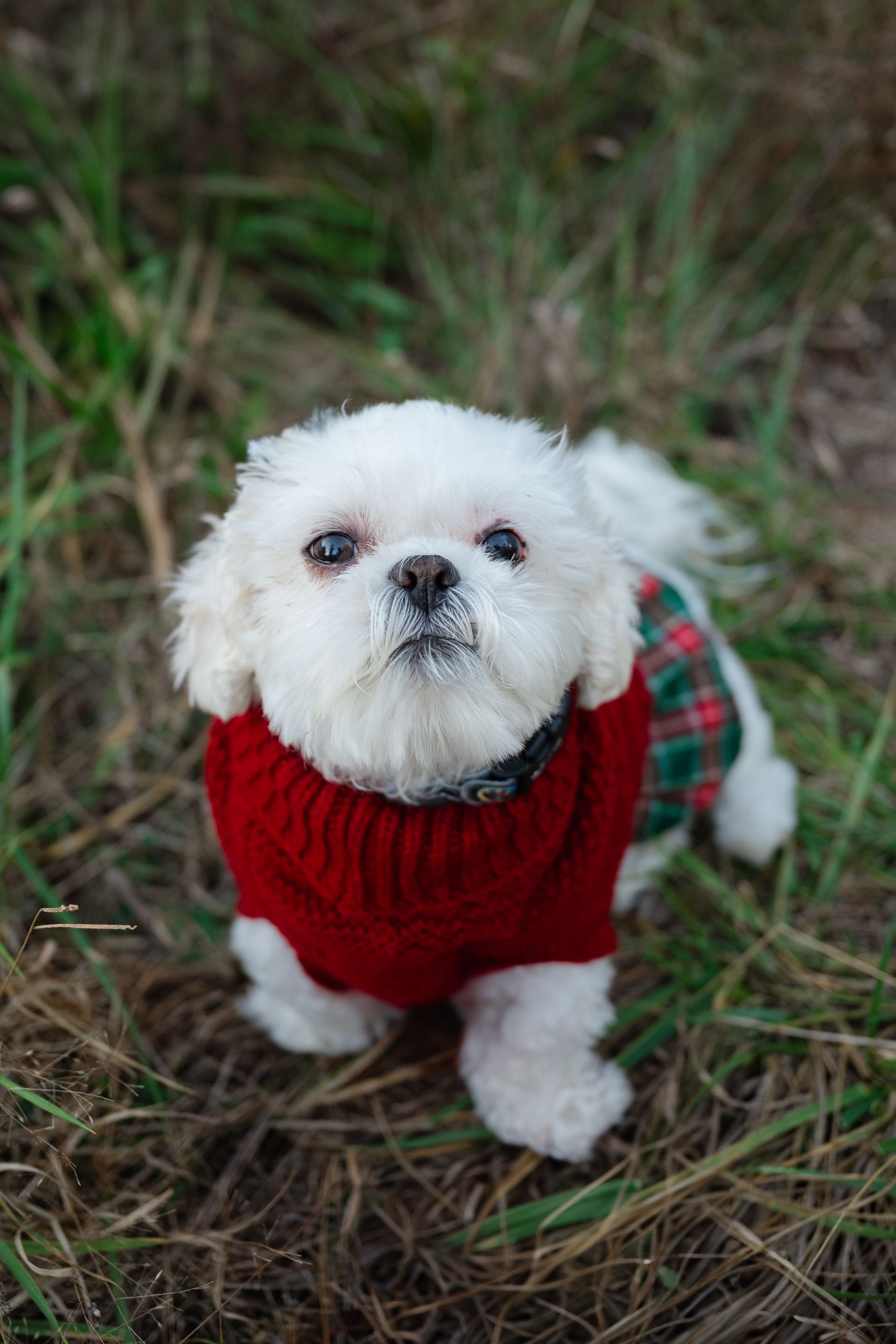
Small white dog wearing a red sweater and plaid coat, standing in grass and looking up at the camera.
By Dina Demarest • August 21, 2026
Why Your Puppy Needs a Daily Check-In Puppies may be small (like my sweet Lilly I have the priviledge of checking on), but their needs do not wait for the end of your workday. Even when you are away for only part of the day, a puppy benefits from a reliable person who can offer food, fresh water, a potty break, and a little calm attention. A once-a-day visit gives your puppy a comfortable pause in the day instead of asking them to wait, worry, or entertain themselves for too long. With a simple plan and a trusted helper, daily drop-in care can support healthy routines while giving you peace of mind. A reassuring starting point: One dependable check-in can make a big difference. If your puppy is very young or still having frequent accidents, they may need more than one visit—use their age, bladder control, and veterinarian’s guidance to choose the right schedule. 🐾 Puppies Need Support During the Day Young puppies are still learning how to eat, rest, play, and use the bathroom. They often cannot comfortably hold their bladder for a full workday, and long stretches alone can make the day feel confusing or overwhelming. A daytime visit meets those needs when they matter most. The goal is not to fill every minute with activity. It is to give your puppy a predictable rhythm: a quiet greeting, the right meal if one is due, fresh water, time outside, and a chance to settle again. That steady pattern helps your puppy feel secure while they learn that you will always come back. Comfort — A familiar person breaks up a long period alone and offers gentle reassurance. Energy — A short potty trip and a little age-appropriate play can prevent restlessness from building. Consistency — Similar visit times help your puppy understand what to expect each day. 🍽️ Small Tasks That Keep the Routine Steady A good check-in does not need to be complicated. The visitor follows the routine you have already established and keeps the focus on your puppy’s basic needs. Depending on the timing of your puppy’s meals, the visit might look like this Food: Serves the measured portion at the usual time. Prevents skipped meals and keeps feeding predictable. Fresh water: Refills the bowl and checks that it is clean. Supports hydration, especially after play or a warm morning. Potty break: Lets the puppy out to the usual spot and waits long enough for them to go. Reduces discomfort and reinforces the right place to potty. Routine: Offers a little calm play, praise, or company before settling the puppy. Helps the day feel familiar rather than lonely or unpredictable. πŸŽ“ Daily Visits Make Good Habits Easier Every successful potty trip is a small lesson. When a visitor takes your puppy out before an accident is likely, rewards the right behavior, and returns them to a calm space, they help build the habits you are practicing at home. Fewer accidents also make the process less frustrating for everyone. A check-in can prevent boredom without turning into an exciting party. A few minutes of gentle play, a food puzzle you have already approved, or quiet companionship may be all your puppy needs before naptime. The right amount of activity helps them practice settling, not just staying busy. Think of the visit as a reset: Your puppy gets a chance to eat, drink, potty, and reconnect with a trusted person. Then they can return to rest with a more comfortable body and a calmer mind. πŸ‘€ A Trusted Visitor Can Notice Changes Daily contact also gives another caring adult a chance to notice what you might miss from a distance. A visitor can tell you if your puppy refuses food, drinks much more than usual, has diarrhea, seems unusually tired, is limping, or is acting fearful or withdrawn. Ask the visitor to send a brief update after each check-in: whether your puppy ate, drank, pottied, and seemed like themselves. This simple record can reveal patterns early and help you decide when to call your veterinarian. It also reassures you that the visit happened as planned. πŸ“ Make the Routine Easy to Follow The best daily helper is not expected to guess. Before the first visit, show them where everything is and walk through the routine once. Keep supplies together so the check-in stays simple and your puppy gets consistent care. Write down the visit window, meal time, portion size, and treat limit. Leave a clean water bowl, measured food, waste bags, leash, and any approved toy in one labeled spot. Explain the potty door, outdoor area, boundaries, and what to do if your puppy gets distracted. Share your puppy’s normal eating, sleeping, and bathroom patterns. Provide your phone number, a backup contact, and your veterinarian’s information. Explain how to secure doors and gates so your puppy cannot slip away. Ask the visitor to confirm the puppy is safely settled before leaving. Keep instructions short and visible. A one-page note is usually enough. Include what to do if your puppy has an accident, refuses food, seems sick, or cannot be found in the usual safe area. A quick meet-and-greet also helps your puppy recognize the visitor before you are away. πŸ’› A Little Help Goes a Long Way A once-a-day check-in gives your puppy the essentials they need during the day: food, fresh water, a timely potty break, and a familiar routine. It can support training, reduce boredom and stress, and give you an extra set of eyes on your puppy’s wellbeing. Choose someone you trust, prepare the routine in advance, and start with a visit schedule that fits your puppy’s age and needs. That small daily promise can help your puppy feel safe, comfortable, and ready to keep learning.

Ready to Book a Pet Sitter?

At Max and Friends Pet Care, I'm dedicated to providing the best care for your pet. Let me ensure your furry friend is happy and well-cared for while you’re away. Contact us today to learn more about our services!

Book Now