Why Sniffing Is So Important for Your Dog’s Happiness
The Surprising Benefits of Letting Your Dog Follow Their Nose 🐾
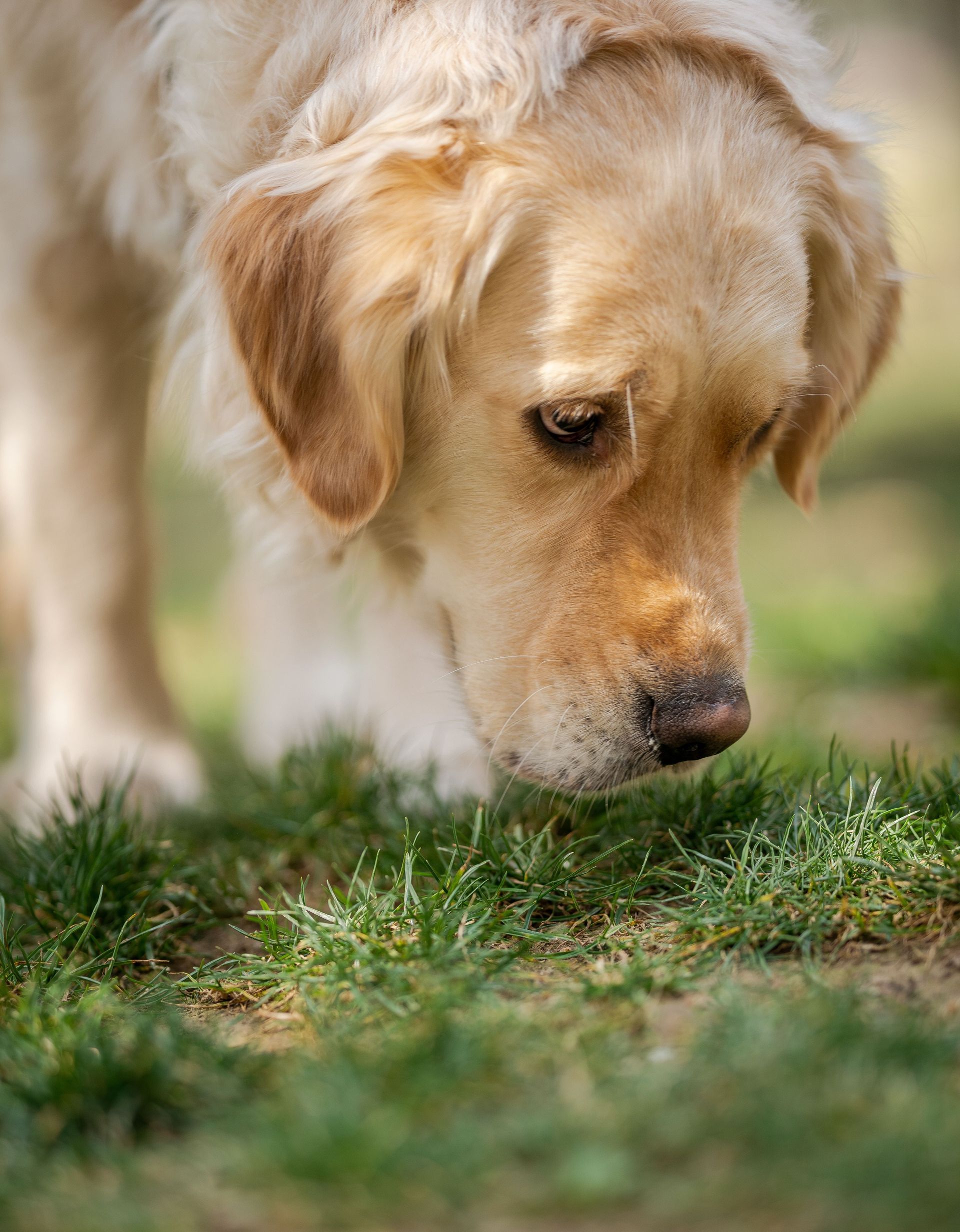
Have you ever taken your dog for a walk, only to find yourself stopping every few feet because they've discovered another fascinating smell? Maybe it's a patch of grass, a tree, a mailbox, or a spot where another dog recently passed by.
While we may see these stops as interruptions to our walk, our dogs see them very differently. To them, sniffing is one of the most exciting and meaningful parts of their day!
In fact, allowing your dog time to explore the world through their nose can be just as important as the physical exercise they receive.
A Dog's Nose Is an Incredible Tool
Dogs experience the world primarily through their sense of smell. While humans rely heavily on sight, dogs use their noses to gather information about their surroundings.
Depending on the breed, dogs may have hundreds of millions of scent receptors, compared to approximately five to six million in humans.
Their sense of smell allows them to detect information we could never begin to notice.
When your dog stops to sniff a particular spot, they may be gathering clues about other animals that have visited, what direction they traveled, or how recently they were there.
Think of it as your dog catching up on the neighborhood news!
Sniffing Provides Important Mental Stimulation
We often think of exercise as walking, running, playing fetch, or visiting the dog park. But mental exercise is just as important to a dog's overall well-being.
Sniffing encourages dogs to use their brains as they investigate and interpret different scents.
This type of mental enrichment can help:
• Reduce boredom and restlessness.
• Provide a healthy outlet for natural instincts.
• Encourage curiosity and exploration.
• Support relaxation and emotional well-being.
• Make everyday walks more interesting and rewarding.
A walk filled with opportunities to sniff can sometimes leave a dog feeling more satisfied than a longer walk focused entirely on covering distance.
Why Sniffing Can Help Dogs Relax
Have you noticed how your dog seems completely absorbed when investigating an interesting smell?
Sniffing is a natural behavior that allows dogs to explore their environment at their own pace.
For some dogs, particularly those who are nervous or easily overstimulated, having the freedom to sniff in a safe environment may help them feel more comfortable and confident.
Giving dogs choices during their walks, such as which safe patch of grass to investigate, can also make the experience more enjoyable.
Of course, every dog is different. Some may prefer leisurely exploration, while others enjoy a combination of sniffing, walking, and play.
The important thing is recognizing that a walk doesn't always have to be about distance or speed.
The Benefits Are Especially Valuable for Senior Dogs
As dogs grow older, long walks and strenuous activities may become more difficult.
Arthritis, reduced stamina, and other age-related changes can limit how much physical exercise a senior dog can comfortably enjoy.
Fortunately, their noses can still provide wonderful opportunities for enrichment!
A short, leisurely sniff walk may allow an older dog to enjoy outdoor stimulation without the demands of a long or physically challenging outing.
For senior dogs, even a few minutes exploring familiar scents in the yard can be a meaningful activity.
Always adjust activity to your dog's mobility, comfort level, and veterinary recommendations.
What Is a Sniff Walk?
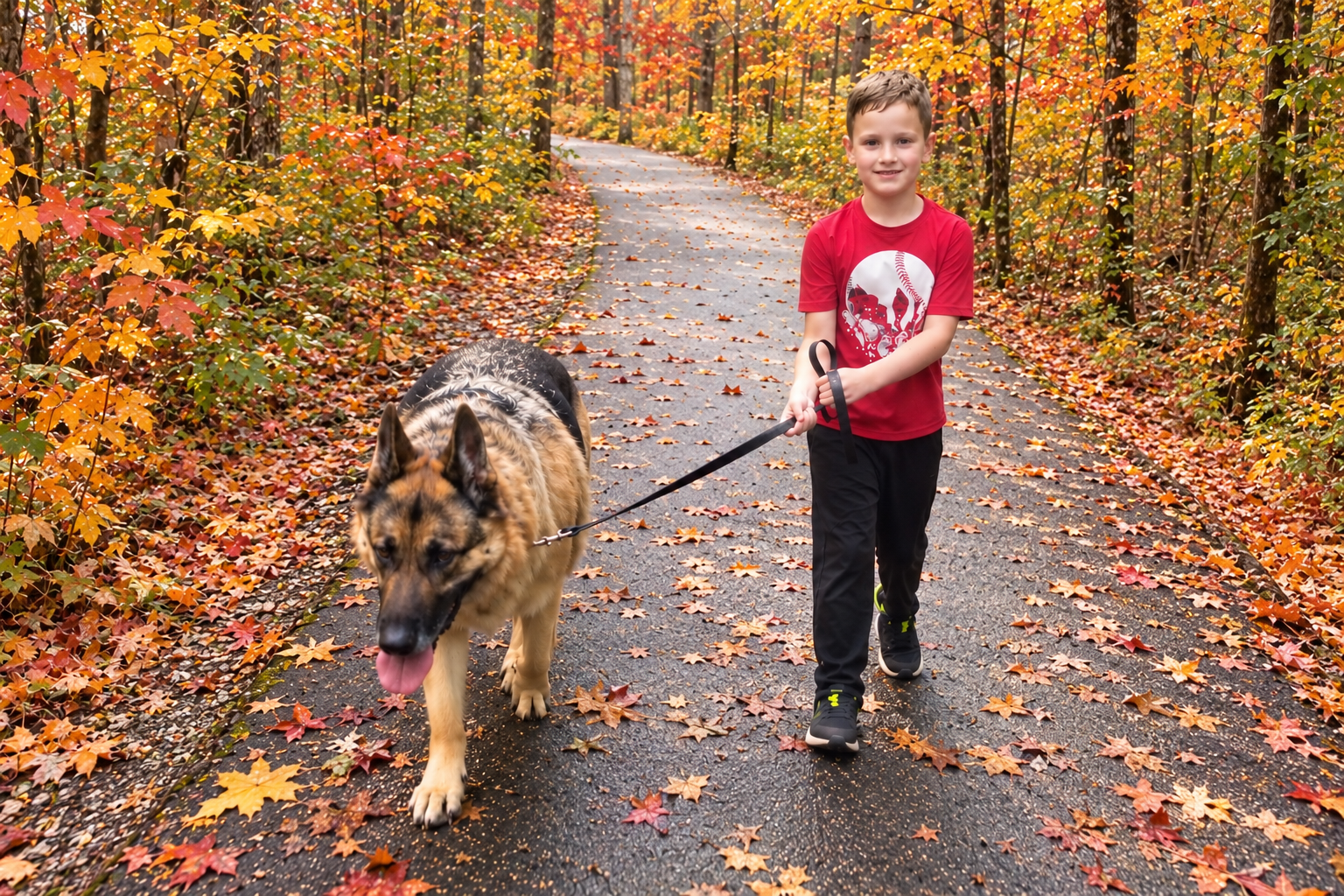
A sniff walk, sometimes called a sniffari, is a walk where your dog gets extra freedom to explore interesting smells.
Instead of focusing on walking a certain distance or maintaining a steady pace, you allow your dog to lead the experience within safe boundaries.
Here are a few ways to make sniff walks more enjoyable:
1. Slow Down
Give your dog time to investigate interesting spots rather than immediately encouraging them to move along.
2. Choose Safe, Interesting Areas
Quiet neighborhoods, grassy areas, and pet-friendly walking trails can provide plenty of new scents to discover.
3. Use a Comfortable Harness and Leash
A properly fitted harness and an appropriate leash can allow your dog some freedom to explore while remaining safely under your control.
4. Let Your Dog Make Some Choices
When it's safe, allow your dog to decide which direction to investigate or which interesting spot deserves a closer look.
5. Watch for Hazards
Avoid areas containing unknown substances, pesticides, sharp objects, animal waste, or anything your dog might try to eat.
Remember, the goal isn't to walk farther. It's to make the experience more enriching.
You Can Encourage Sniffing at Home, Too!
Dogs don't have to leave home to enjoy scent-based activities.
There are plenty of simple ways to encourage natural sniffing behaviors indoors or in a securely fenced yard.
Try hiding a few treats around a room and encouraging your dog to find them. You can also scatter kibble in a snuffle mat or use a dog-safe puzzle toy.
Another fun activity is hiding a favorite toy and letting your dog search for it.
Always supervise enrichment activities and choose treats and toys appropriate for your dog's age, size, and health.
These activities can be particularly helpful during rainy days, colder weather, or times when outdoor exercise is limited.
Every Sniff Tells a Story
The next time your dog stops to investigate a patch of grass for what seems like forever, remember that they're doing much more than simply smelling something.
They're exploring, learning, and engaging in a behavior that comes naturally to them.
Sometimes the best thing we can do for our dogs is slow down, give them a little extra time, and let them enjoy the world in their own way.
After all, a happy dog isn't necessarily the one who walks the farthest. Sometimes, it's the one who gets to stop and smell everything along the way!
A Little Extra Enrichment Goes a Long Way 🐾
At Max and Friends Pet Care, we believe pet care should be about more than simply meeting basic needs. Every pet deserves patience, attention, companionship, and opportunities to enjoy the little things that make their day special.
Whether it's a leisurely outdoor break, playtime, or a little extra time investigating their favorite spot in the yard, those moments matter.
Because sometimes, the smallest adventures bring the biggest happiness.
Max and Friends Pet Care
Loving care for your furry family members.
www.maxandfriendspetcare.com
Wondering why a Pet Sitter is valuable to each family? Check out our blogs and enjoy learning about us and why we love what we do.

Ready to Book a Pet Sitter?
At Max and Friends Pet Care, I'm dedicated to providing the best care for your pet. Let me ensure your furry friend is happy and well-cared for while you’re away. Contact us today to learn more about our services!