Keeping Senior Pets Comfortable While You're Away
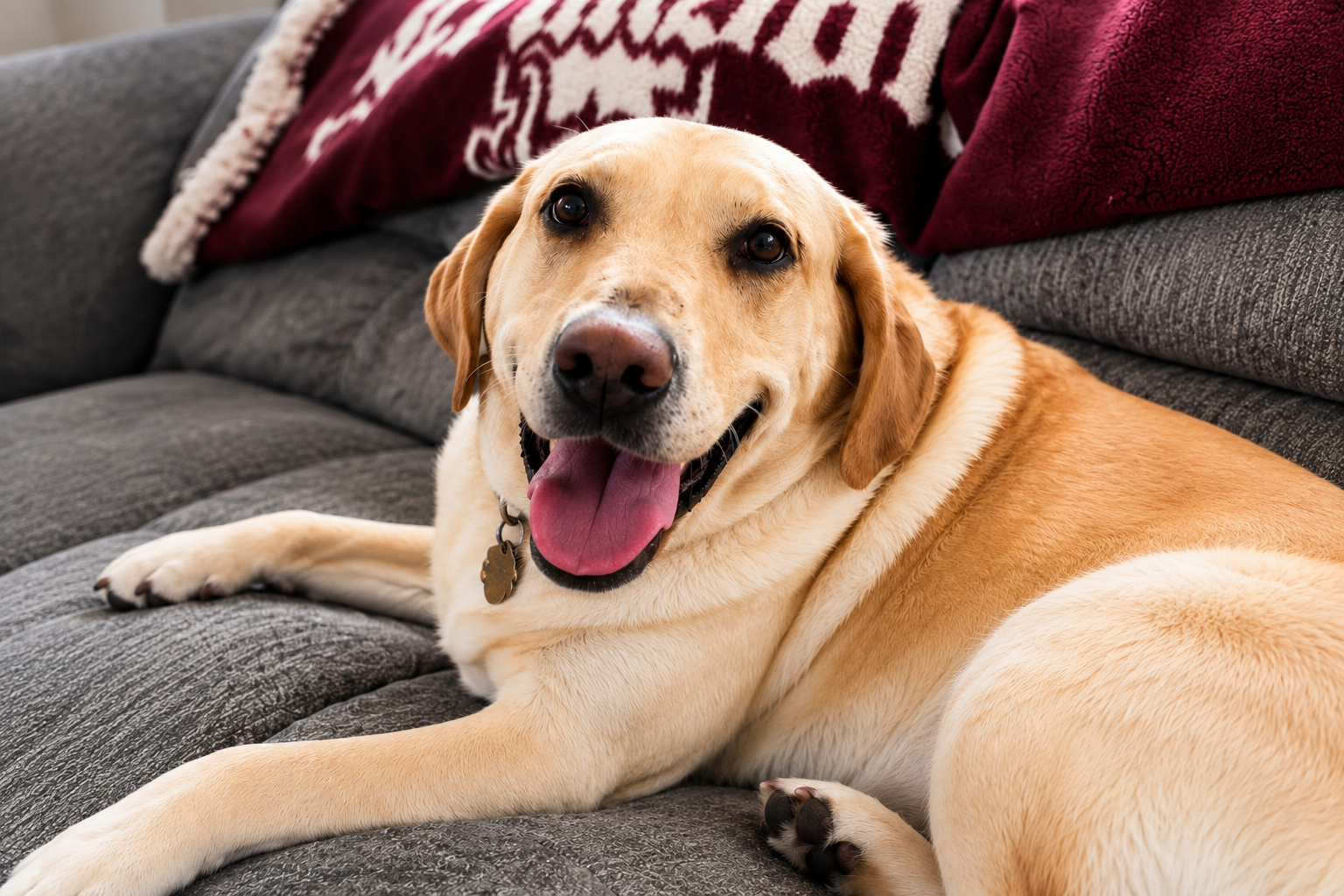
Leaving your pets behind when you travel is never easy, and it can be especially difficult when you have a senior pet. As our pets get older, their needs can change. They may move a little slower, sleep a little more, need medication, or simply feel more comfortable when life follows the routine they know.


For many senior pets, staying in their own home while their family is away can be a wonderful option. Instead of adjusting to an unfamiliar environment, they can remain surrounded by their own beds, toys, smells, and favorite places to relax.


Here are a few ways to help make your time away easier and more comfortable for your older companion.


Keep Their Routine as Normal as Possible

Senior pets often thrive on routine. They know when breakfast is coming, when it’s time to go outside, and even where they expect to settle down for an afternoon nap.


Before you leave, give your pet sitter a good idea of your pet’s normal schedule. Include feeding times, potty routines, walks, medications, treats, and anything else your pet expects throughout the day.


Keeping those familiar routines in place can provide reassurance when their favorite person isn’t home.


Give Them Plenty of Time

Older pets sometimes need us to slow down with them.


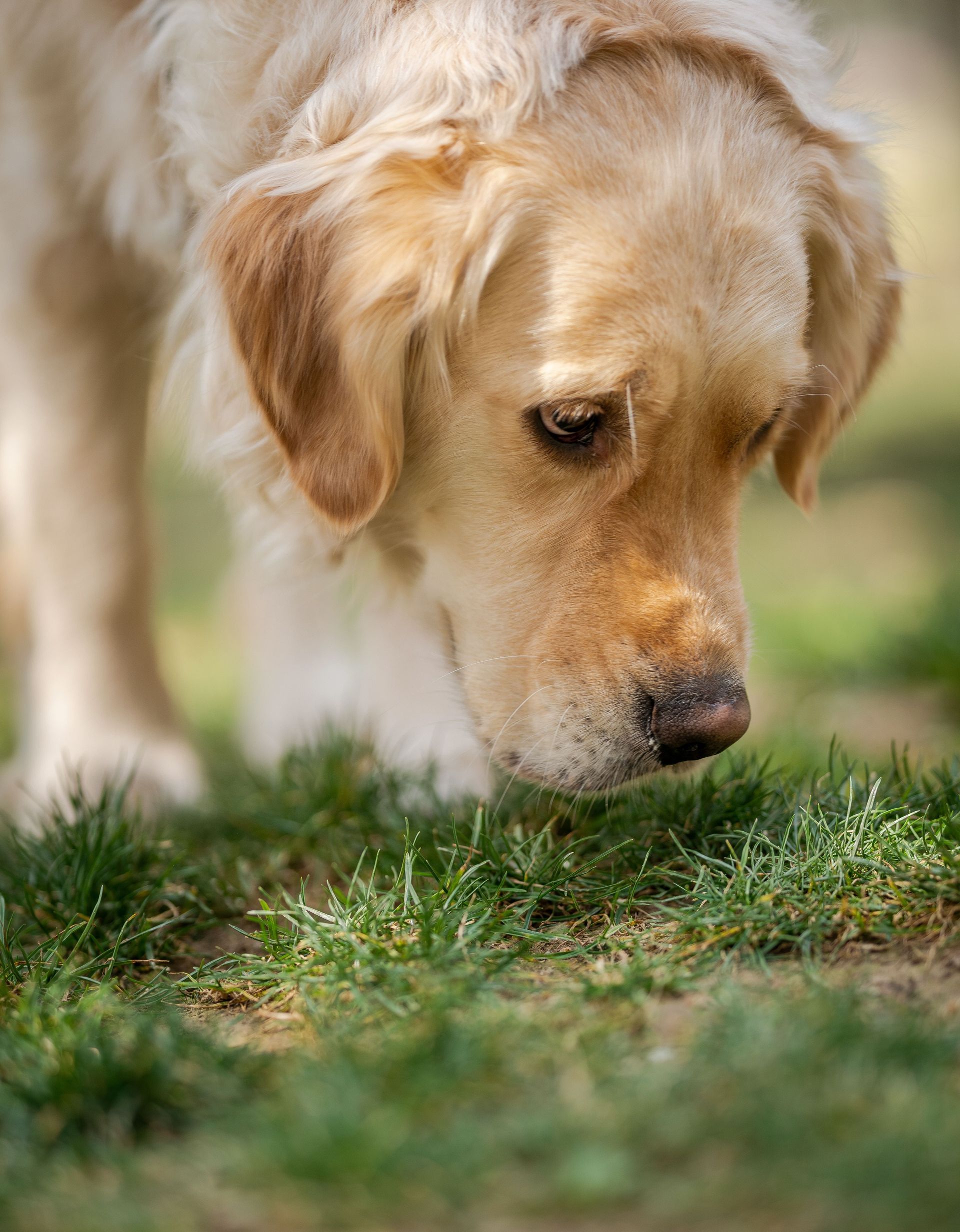
A senior dog may take a little longer getting up or need a leisurely trip outside rather than a fast-paced walk. They may want to stop and sniff along the way, and that’s perfectly okay.


Senior cats can have their own preferences, too. Some may want attention and affection, while others are happiest having someone nearby while they relax in their favorite spot.


Good senior pet care isn’t about rushing through a checklist. It’s about paying attention to what that particular pet needs.


Make Food, Water and Favorite Spots Easy to Reach

Arthritis and other age-related changes can make things that were once easy more difficult. Before leaving town, take a look at your home from your senior pet’s perspective.


Make sure food and water are easy to reach and that your pet doesn’t have to navigate unnecessary stairs or slippery floors to get to the places they use most.


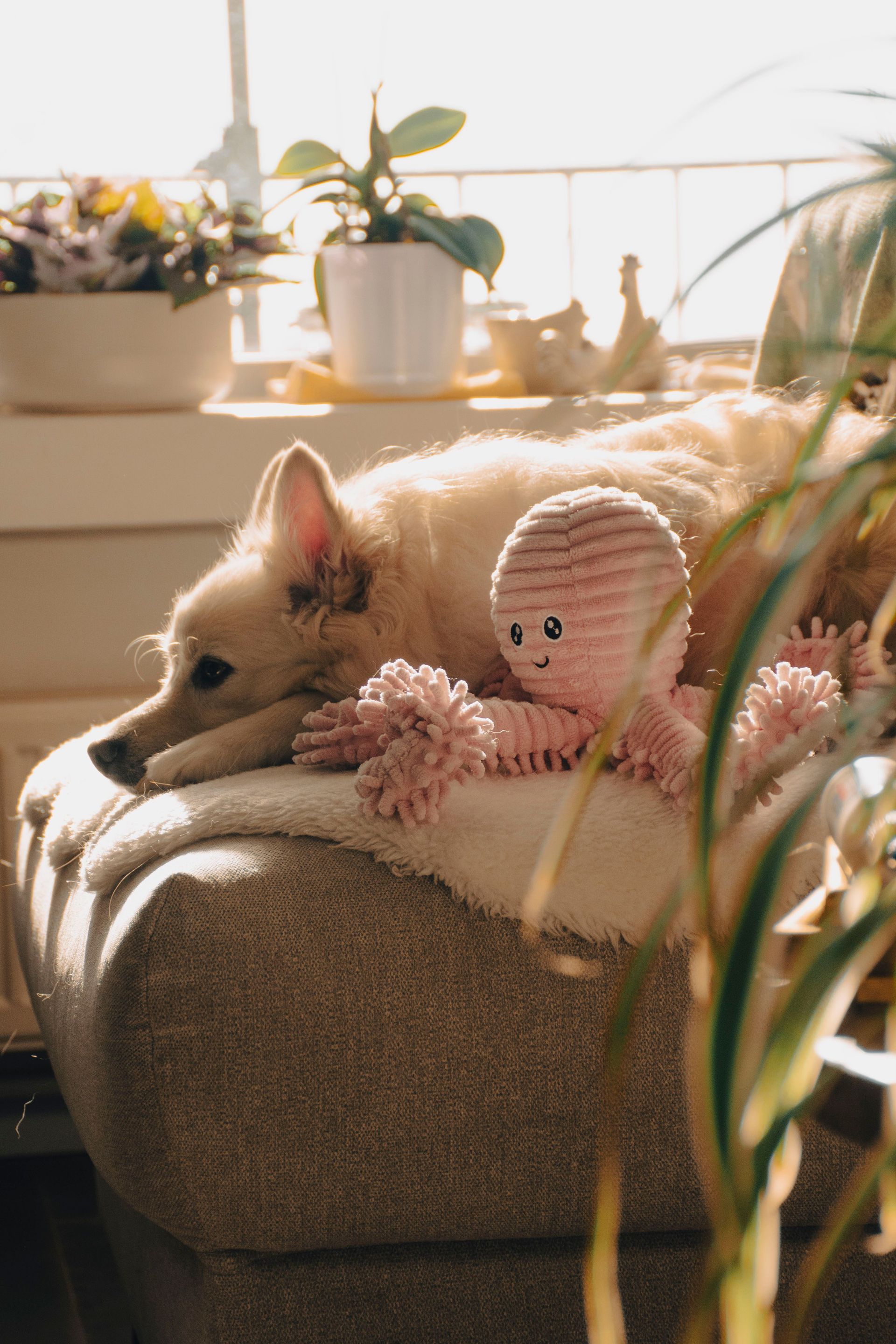
Keep their favorite bed, blankets, and toys where they normally expect to find them. Familiar surroundings can be very comforting.


Leave Clear Medication Instructions

If your pet takes medication, leave detailed written instructions for your pet sitter. Include the medication name, dosage, time it should be given, and how you normally give it.


Does your dog happily take a pill hidden in a treat? Does your cat require a special technique? Those little details are important!


It’s also a good idea to leave your veterinarian’s contact information along with instructions about who should be contacted if there is an emergency.


Tell Your Pet Sitter What’s “Normal”

One of the most helpful things you can do is explain what is normal for your pet.


Maybe your older dog always sleeps until late morning. Perhaps your cat doesn’t eat much at breakfast but makes up for it later. Maybe your dog has a funny little limp after getting up from a long nap that you’ve already discussed with your veterinarian.


Knowing these things helps a pet sitter recognize when something truly seems different.


You know your pet better than anyone, so don’t worry about giving too much information. Those little details can be incredibly helpful.


Don’t Forget the Extra Love โค๏ธ

Taking care of a senior pet isn’t only about food, water, medications, and potty breaks.


Sometimes what they need most is companionship.


It might mean sitting beside them for a few extra minutes, giving belly rubs, scratching their favorite spot, talking to them, or simply keeping them company while they rest.


Senior pets may not have the energy they once did, but they still need attention and affection.


The Comfort of Home

Every pet is different, but many senior pets are happiest in the place they know best—their own home.


They can sleep in their favorite spot, follow their regular routine, and avoid the stress that may come with being transported somewhere unfamiliar.


And while nothing completely replaces having you there, having someone they can become familiar and comfortable with checking on them can make your time away much easier on both of you.


At Max and Friends Pet Care, I believe senior pets deserve patience, gentleness, and care that fits their individual needs. Whether that means a slower walk, an extra potty break, medication, or simply a little more time spent giving them attention, I’m happy to give our older furry friends the extra TLC they deserve.

๏ปฟ

After all, they’ve spent so many years loving and taking care of us. They deserve a little extra love in return. โค๏ธ๐Ÿพ


Wondering why a Pet Sitter is valuable to each family? Check out our blogs and enjoy learning about us and why we love what we do.
By Kerri Cawthorn • November 24, 2026
Happy Holidays, Happy Pets: Keeping Your Furry Friends Safe This Holiday Season
By Kerri Cawthorn • November 16, 2026
Can Dogs Really Sense Our Emotions? ๐Ÿพโค๏ธ
By Kerri Cawthorn • November 9, 2026
When Cancer Touches Our Pets: Loving Them Through the Hardest Days
By Kerri Cawthorn • November 1, 2026
Why Sniffing Is So Important for Your Dog’s Happiness
By Kerri Cawthorn • October 18, 2026
Why Fall Is the Perfect Time for Extra Dog Walks ๐Ÿ‚๐Ÿพ
By Kerri Cawthorn • October 12, 2026
Why Pets Are Happier Staying Home While You're Away ๐Ÿพ
By Kerri Cawthorn • October 6, 2026
Halloween Safety Tips for Dogs and Cats ๐ŸŽƒ๐Ÿพ
By Kerri Cawthorn • September 28, 2026
Helping Shy Pets Feel Comfortable With a New Sitter
By Kerri Cawthorn • September 20, 2026
Why Drop-In Pet Care Can Be Less Stressful Than Boarding
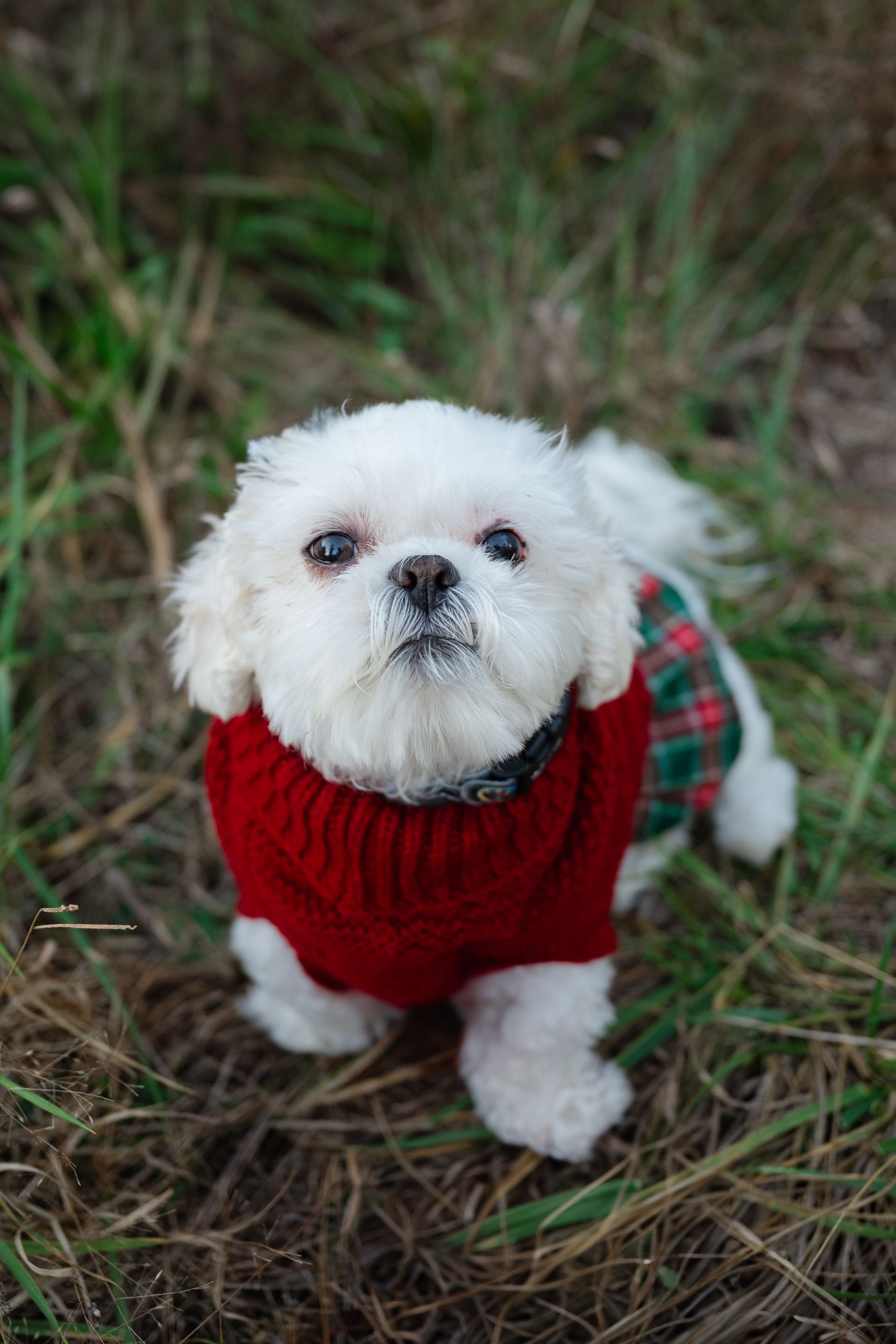
Small white dog wearing a red sweater and plaid coat, standing in grass and looking up at the camera.
By Dina Demarest • August 21, 2026
Why Your Puppy Needs a Daily Check-In Puppies may be small (like my sweet Lilly I have the priviledge of checking on), but their needs do not wait for the end of your workday. Even when you are away for only part of the day, a puppy benefits from a reliable person who can offer food, fresh water, a potty break, and a little calm attention. A once-a-day visit gives your puppy a comfortable pause in the day instead of asking them to wait, worry, or entertain themselves for too long. With a simple plan and a trusted helper, daily drop-in care can support healthy routines while giving you peace of mind. A reassuring starting point: One dependable check-in can make a big difference. If your puppy is very young or still having frequent accidents, they may need more than one visit—use their age, bladder control, and veterinarian’s guidance to choose the right schedule. ๐Ÿพ Puppies Need Support During the Day Young puppies are still learning how to eat, rest, play, and use the bathroom. They often cannot comfortably hold their bladder for a full workday, and long stretches alone can make the day feel confusing or overwhelming. A daytime visit meets those needs when they matter most. The goal is not to fill every minute with activity. It is to give your puppy a predictable rhythm: a quiet greeting, the right meal if one is due, fresh water, time outside, and a chance to settle again. That steady pattern helps your puppy feel secure while they learn that you will always come back. Comfort — A familiar person breaks up a long period alone and offers gentle reassurance. Energy — A short potty trip and a little age-appropriate play can prevent restlessness from building. Consistency — Similar visit times help your puppy understand what to expect each day. ๐Ÿฝ๏ธ Small Tasks That Keep the Routine Steady A good check-in does not need to be complicated. The visitor follows the routine you have already established and keeps the focus on your puppy’s basic needs. Depending on the timing of your puppy’s meals, the visit might look like this Food: Serves the measured portion at the usual time. Prevents skipped meals and keeps feeding predictable. Fresh water: Refills the bowl and checks that it is clean. Supports hydration, especially after play or a warm morning. Potty break: Lets the puppy out to the usual spot and waits long enough for them to go. Reduces discomfort and reinforces the right place to potty. Routine: Offers a little calm play, praise, or company before settling the puppy. Helps the day feel familiar rather than lonely or unpredictable. ๐ŸŽ“ Daily Visits Make Good Habits Easier Every successful potty trip is a small lesson. When a visitor takes your puppy out before an accident is likely, rewards the right behavior, and returns them to a calm space, they help build the habits you are practicing at home. Fewer accidents also make the process less frustrating for everyone. A check-in can prevent boredom without turning into an exciting party. A few minutes of gentle play, a food puzzle you have already approved, or quiet companionship may be all your puppy needs before naptime. The right amount of activity helps them practice settling, not just staying busy. Think of the visit as a reset: Your puppy gets a chance to eat, drink, potty, and reconnect with a trusted person. Then they can return to rest with a more comfortable body and a calmer mind. ๐Ÿ‘€ A Trusted Visitor Can Notice Changes Daily contact also gives another caring adult a chance to notice what you might miss from a distance. A visitor can tell you if your puppy refuses food, drinks much more than usual, has diarrhea, seems unusually tired, is limping, or is acting fearful or withdrawn. Ask the visitor to send a brief update after each check-in: whether your puppy ate, drank, pottied, and seemed like themselves. This simple record can reveal patterns early and help you decide when to call your veterinarian. It also reassures you that the visit happened as planned. ๐Ÿ“ Make the Routine Easy to Follow The best daily helper is not expected to guess. Before the first visit, show them where everything is and walk through the routine once. Keep supplies together so the check-in stays simple and your puppy gets consistent care. Write down the visit window, meal time, portion size, and treat limit. Leave a clean water bowl, measured food, waste bags, leash, and any approved toy in one labeled spot. Explain the potty door, outdoor area, boundaries, and what to do if your puppy gets distracted. Share your puppy’s normal eating, sleeping, and bathroom patterns. Provide your phone number, a backup contact, and your veterinarian’s information. Explain how to secure doors and gates so your puppy cannot slip away. Ask the visitor to confirm the puppy is safely settled before leaving. Keep instructions short and visible. A one-page note is usually enough. Include what to do if your puppy has an accident, refuses food, seems sick, or cannot be found in the usual safe area. A quick meet-and-greet also helps your puppy recognize the visitor before you are away. ๐Ÿ’› A Little Help Goes a Long Way A once-a-day check-in gives your puppy the essentials they need during the day: food, fresh water, a timely potty break, and a familiar routine. It can support training, reduce boredom and stress, and give you an extra set of eyes on your puppy’s wellbeing. Choose someone you trust, prepare the routine in advance, and start with a visit schedule that fits your puppy’s age and needs. That small daily promise can help your puppy feel safe, comfortable, and ready to keep learning.

Ready to Book a Pet Sitter?

At Max and Friends Pet Care, I'm dedicated to providing the best care for your pet. Let me ensure your furry friend is happy and well-cared for while you’re away. Contact us today to learn more about our services!

Book Now